Price in Bangladesh
৳ 10.00 unit price
Price updated: 22 Nov 2026
- Strength
- 50 mg
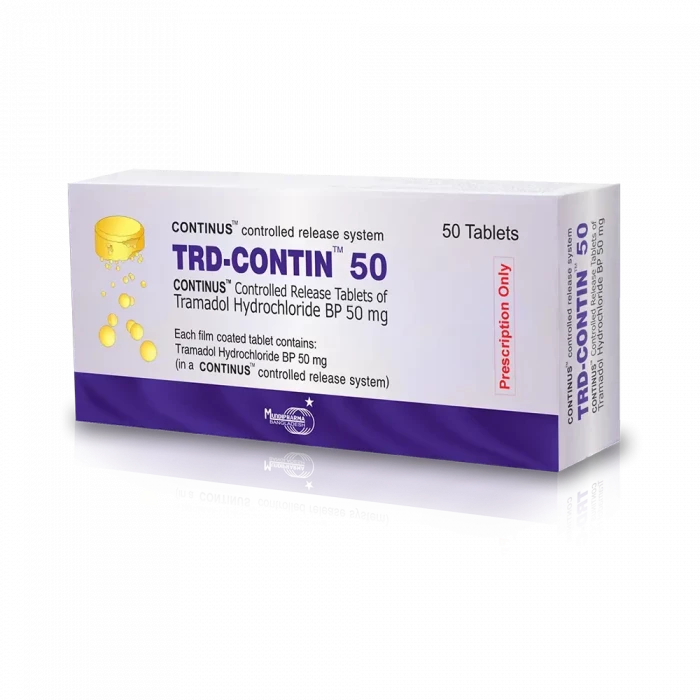
About TRD-Contin 50 mg Tablet
TRD-Contin is a tablet from Mundipharma (BD) Pvt. Ltd., with the generic name Tramadol Hydrochloride. This includes postoperative pain, colic and spastic pain, cancer pain, joint pain, neck and back pain, and pain associated with osteoporosis.
There are 48 brands of Tramadol Hydrochloride listed in Bangladesh. 13 of them have a lower unit price than TRD-Contin. The lowest listed price is Tramadol 50 mg Capsule at ৳ 6.00 per unit.
What is TRD-Contin 50 mg Tablet?
The tablet TRD-Contin contains Tramadol Hydrochloride and is made by Mundipharma (BD) Pvt. Ltd. TRD-Contin 50 mg tablet is a rectal dosage form containing Tramadol Hydrochloride, which belongs to the opioid class of pain relievers. Tramadol Hydrochloride, the active ingredient in TRD-Contin 50 mg tablets, is a centrally acting pain reliever. The dose and duration must be determined by a doctor based on the severity of pain and individual patient factors.
Uses of TRD-Contin
This includes postoperative pain, colic and spastic pain, cancer pain, joint pain, neck and back pain, and pain associated with osteoporosis. It is meant for short-term use under medical supervision. It is an opioid analgesic, so it is meant for pain that needs stronger relief. Your doctor will decide if it is suitable for you.
How to use TRD-Contin
TRD-Contin is taken by mouth. Swallow the tablet with water. Complete the course exactly as prescribed. Do not change the dose or stop early without asking your doctor.
Side effects of TRD-Contin
Serious side effects are possible, so seek medical help if you have difficulty breathing, severe allergic reactions, or unusual symptoms. Less common effects include malaise, allergic reaction, weight loss, flushing, palpitations, abdominal pain, loss of appetite, wind, gastrointestinal bleeding, liver inflammation and mouth inflammation. Seek medical help if you feel unwell or notice anything unusual after the tablet. Contact your doctor if you notice anything unusual after taking it. Tell your doctor if any effect troubles you or does not settle.
Safety and precautions
Tramadol Hydrochloride is also contraindicated in acute intoxication with alcohol, hypnotics, centrally acting analgesics, opioids or psychotropic drugs. Concomitant CNS depressants: Tramadol should be used with caution and in reduced dosages when administering to patients receiving CNS depressants such as alcohol, opioids, anesthetic agents, phenothiazines. Tramadol Hydrochloride should not be administered during breast feeding as Tramadol and its metabolites have been detected in breast milk. Ask your doctor first if any of these apply to you.
Frequently asked questions
Why is TRD-Contin prescribed?
This includes postoperative pain, colic and spastic pain, cancer pain, joint pain, neck and back pain, and pain associated with osteoporosis. It is meant for short-term use under medical supervision.
How do I use TRD-Contin correctly?
TRD-Contin is taken by mouth. Swallow the tablet with water.
What are the side effects of TRD-Contin?
Serious side effects are possible, so seek medical help if you have difficulty breathing, severe allergic reactions, or unusual symptoms. Less common effects include malaise, allergic reaction, weight loss, flushing, palpitations, abdominal pain, loss of appetite, wind, gastrointestinal bleeding, liver inflammation and mouth inflammation.
How much does TRD-Contin cost in Bangladesh?
The listed price is ৳ 10.00.
Indications
Tramadol is used for the treatment of moderate to severe painful conditions. These include:
- Postoperative pain
- Colic and spastic pain
- Cancer pain
- Joint pain
- Neck and back pain
- Pain associated with osteoporosis.
Pharmacology
Tramadol is a centrally acting synthetic analgesic compound. It inhibits the re uptake of neurotransmitters- serotonin and noradrenaline. Thus it modifies the transmission of pain impulses by activating both descending serotonergic pathways and noradrenergic pathways involved in analgesia. The analgesic effects of Tramadol are mediated via stimulation of mu-opioid receptors and indirect modulation of central monoaminergic inhibitory pathways.
Dosage & Administration
Capsule or Tablet: Usual doses are 50 to 100 mg every four to six hours. For acute pain an initial dose of 100 mg is required. For chronic painful conditions an initial dose of 50 mg is recommended. Subsequent doses should be 50 to 100 mg administered 4-6 hourly. The dose level and frequency of dosing will depend on the severity of the pain.The total daily dosage by mouth should not exceed 400 mg.
Sustained Release Capsule or Tablet: One SR capsule or tablet every 12 hours, for example first one in the morning and then at the same time in the evening. The number of capsules taken at a time will depend upon severity of pain, but it should not be taken more frequently than every 12 hours.The total daily dosage by mouth should not exceed 400 mg.
Injection: A dose of 50-100 mg may be given every 4 to 6 hours by intramuscular or by intravenous infusion. For the treatment of postoperative pain,the initial dose is 100 mg followed by 50 mg every 10 to 20 minutes if necessary to a maximum of 250 mg in the first hour. Thereafter, doses are 50 to 100 mg every 4 to 6 hours up to a total daily dose of 600 mg.
Suppository: Tramadol suppository should be administered rectally. For adults usual dose is 100 mg Tramadol Hydrochloride 6 hourly. In general, 400 mg Tramadol Hydrochloride (4 Tramadol suppository) per day sufficient. However, for the treatment of Cancer pain and severe pain after operations much higher daily doses can be used.
Interaction
In general, physician need not be concerned about drugs interacting with Tramadol. The monoamine oxidase (MAO) inhibitors represent the only drug class not recommended for combination with Tramadol. Concomitant administration of carbamazepine with Tramadol causes a significant increase in Tramadol metabolism and it requires to increase the dose of Tramadol.
Contraindications
Tramadol is contraindicated in persons having hypersensitivity to this drug. It is also contraindicated in acute intoxication with alcohol, hypnotics, centrally acting analgesics, opioids or psychotropic drugs.
Side Effects
Commonly occurring side-effects are dizziness/vertigo, nausea, constipation, headache, somnolence, vomiting, pruritus, CNS stimulation, asthenia, sweating, dyspepsia, dry mouth, diarrhoea. Less commonly occurring side-effects include malaise, allergic reaction, weight loss, vasodilatation, palpitations, abdominal pain, anorexia, flatulence, GI bleeding, hepatitis, stomatitis etc.
Pregnancy & Lactation
Safe use of Tramadol in pregnancy has not been established. Tramadol has been shown to cross the placenta. There are no adequate and well-controlled studies in pregnant women. Therefore, Tramadol should be used during pregnancy only if the potential benefit justifies the risk to the foetus. Tramadol Hydrochloride should not be administered during breast feeding as Tramadol and its metabolites have been detected in breast milk.
Precautions & Warnings
Respiratory depression: When large doses of tramadol are administered with anaesthetic with anaesthetic medications or alcohol, respiratory depression may result. Therefore, tramadol should be administered cautiously in patients at risk for respiratory depression.
Opioid dependence: Tramadol is not recommended for patients who are dependent on opioids.
Concomitant CNS depressants: Tramadol should be used with caution and in reduced dosages when administering to patients receiving CNS depressants such as alcohol, opioids, anesthetic agents, phenothiazines, tranquilizers or sedative hypnotics.
Concomitant MAO inhibitors: Tramadol should be used with great caution in patients taking MAO inhibitors, since tramadol inhibits the uptake of norepinephrine and serotonin.
Tramadol should be used with caution in patients with increased intracranial pressure or head injury and patients with acute abdominal conditions.
Storage Conditions
Keep below 30°C temperature, away from light & moisture. Keep out of the reach of children.
Medicine information is for reference only and is not medical advice. Always follow your doctor's prescription and check with a pharmacist.