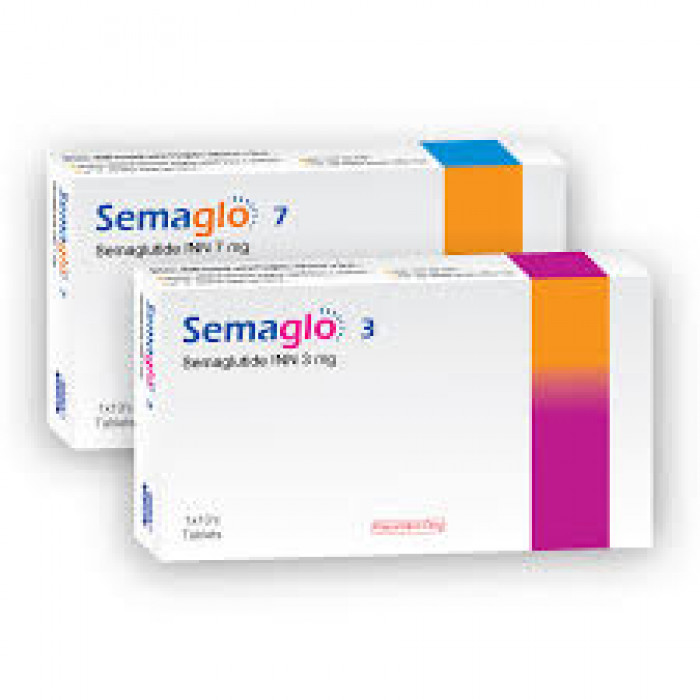
Price in Bangladesh
৳ 455.00 unit price
Price updated: 22 Nov 2026
- Strength
- 3 mg
About Semaglo 3 mg Tablet
The tablet Semaglo contains Semaglutide and is made by Ziska Pharmaceuticals Ltd. Semaglo contains Semaglutide.
There are 2 brands of Semaglutide (Tablet) listed in Bangladesh. By unit price, Semaglo is among the cheapest of them.
What is Semaglo 3 mg Tablet?
Semaglo 3 mg tablet is a medicine made by Ziska Pharmaceuticals Ltd. GLP-1 is a physiological hormone that has multiple actions on glucose, mediated by the GLP-1 receptors. Semaglutide acts as a GLP-1 receptor agonist that selectively binds to and activates the GLP-1 receptor, the target for native GLP-1. Use it only as your doctor directs.
Uses of Semaglo
Semaglo contains Semaglutide. Ask your doctor whether it is right for your condition.
How to use Semaglo
Semaglo is taken by mouth. Swallow the tablet with water. Do not change the dose or stop early without asking your doctor. If you miss a dose, ask your doctor or pharmacist what to do.
Side effects of Semaglo
Contact your doctor if you notice anything unusual after taking it. Tell your doctor if any side effect bothers you or does not go away.
Safety and precautions
Discontinue promptly if pancreatitis is suspected. Diabetic Retinopathy Complications : Has been reported in a cardiovascular outcomes trial with semaglutide injection. Known hypersensitivity to semaglutide or any of the components in this preparation. Ask your doctor first if any of these apply to you.
Frequently asked questions
What does Semaglo treat?
Semaglo contains Semaglutide. Ask your doctor whether it is right for your condition.
How do I use Semaglo correctly?
Semaglo is taken by mouth. Swallow the tablet with water.
What are the side effects of Semaglo?
Contact your doctor if you notice anything unusual after taking it. Tell your doctor if any side effect bothers you or does not go away.
What is the price of Semaglo?
The listed price is ৳ 455.00.
Indications
Semaglutide is a glucagon-like peptide-1 (GLP-1) receptor agonist indicated as an adjunct to diet and exercise to improve glycemic control in adults with type 2 diabetes mellitus
Pharmacology
Semaglutide is a GLP-1 analogue with 94% sequence homology to human GLP-1. Semaglutide acts as a GLP-1 receptor agonist that selectively binds to and activates the GLP-1 receptor, the target for native GLP-1. GLP-1 is a physiological hormone that has multiple actions on glucose, mediated by the GLP-1 receptors. The principal mechanism of protraction resulting in the long half-life of semaglutide is albumin binding, which results in decreased renal clearance and protection from metabolic degradation. Furthermore, semaglutide is stabilized against degradation by the DPP-4 enzyme. Semaglutide reduces blood glucose through a mechanism where it stimulates insulin secretion and lowers glucagon secretion, both in a glucose-dependent manner. Thus, when blood glucose is high, insulin secretion is stimulated and glucagon secretion is inhibited. The mechanism of blood glucose lowering also involves a minor delay in gastric emptying in the early postprandial phase.
Dosage & Administration
Instruct patients to take Semaglutide at least 30 minutes before the first food, beverage, or other oral medications of the day with no more than 4 ounces of plain water only. Waiting less than 30 minutes, or taking with food, beverages (other than plain water) or other oral medications will lessen the effect of Semaglutide. Waiting more than 30 minutes to eat may increase the absorption of Semaglutide.
Swallow tablets whole. Do not cut, crush, or chew tablets. Start Semaglutide with 3 mg once daily for 30 days. After 30 days on the 3 mg dose, increase the dose to 7 mg once daily. Dose may be increased to 14 mg once daily if additional glycemic control is needed after at least 30 days on the 7 mg dose.
Interaction
Oral Medications: Semaglutide delays gastric emptying. When coadministering oral medications instruct patients to closely follow semaglutide administration instructions. Consider increased clinical or laboratory monitoring for medications that have a narrow therapeutic index or that require clinical monitoring.
Contraindications
Personal or family history of medullary thyroid carcinoma or in patients with Multiple Endocrine Neoplasia syndrome type 2. Known hypersensitivity to semaglutide or any of the components in this preparation.
Side Effects
The most common adverse reactions, reported in ≥5% of patients treated with Semaglutide are: nausea, abdominal pain, diarrhea, decreased appetite, vomiting and constipation.
Pregnancy & Lactation
Pregnancy: May cause fetal harm.
Lactation: Breastfeeding not recommended.
Females and Males of Reproductive Potential: Discontinue Semaglutide in women at least 2 months before a planned pregnancy due to the long washout period for semaglutide.
Precautions & Warnings
Pancreatitis: Has been reported in clinical trials. Discontinue promptly if pancreatitis is suspected. Do not restart if pancreatitis is confirmed.
Diabetic Retinopathy Complications: Has been reported in a cardiovascular outcomes trial with semaglutide injection. Patients with a history of diabetic retinopathy should be monitored.
Hypoglycemia: When semaglutide is used with an insulin secretagogue or insulin, consider lowering the dose of the secretagogue or insulin to reduce the risk of hypoglycemia.
Acute Kidney Injury: Monitor renal function in patients with renal impairment reporting severe adverse gastrointestinal reactions.
Hypersensitivity Reactions: Discontinue semaglutide if suspected and promptly seek medical advice.
Overdose Effects
In the event of overdose, appropriate supportive treatment should be initiated according to the patient’s clinical signs and symptoms. A prolonged period of observation and treatment for these symptoms may be necessary, taking into account the long half-life of Semaglutide of approximately 1 week.
Storage Conditions
Keep below 30°C temperature, away from light & moisture. Keep out of the reach of children.
Medicine information is for reference only and is not medical advice. Always follow your doctor's prescription and check with a pharmacist.